WiFi Extender Calculator: How Many WiFi Extenders Do I Need?
Calculate the optimal number of WiFi extenders needed for your space by entering your home details below.
List of the Best WiFi Extenders:


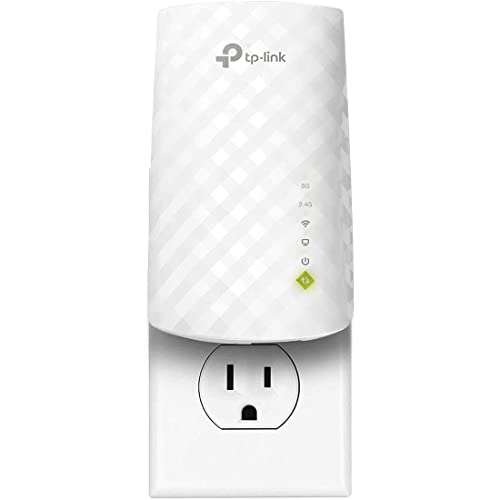


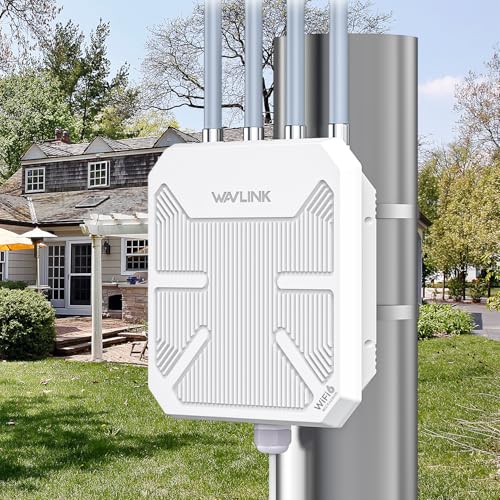

Understanding WiFi Extenders and Network Coverage
WiFi extenders (also known as repeaters or boosters) help expand your wireless network coverage by amplifying and rebroadcasting your existing WiFi signal. Understanding how they work and when you need them is crucial for optimal home network performance.
WiFi Signal Basics
| Factor | Description | Impact on Signal |
|---|---|---|
| Distance | Signal strength decreases with distance | Major impact - signal drops significantly every 20-30 feet |
| Obstacles | Walls, floors, and furniture block signals | Varies by material - concrete blocks more than drywall |
| Interference | Electronic devices and other networks | Can reduce signal strength and speed |
Types of WiFi Extenders
| Type | Description | Best For |
|---|---|---|
| Plug-in Extenders | Compact devices that plug directly into wall outlets | Small to medium homes, quick setup |
| Desktop Extenders | Larger units with external antennas | Larger homes, better coverage |
| Mesh Systems | Multiple units working together seamlessly | Large homes, premium performance |
Optimal Extender Placement
The effectiveness of WiFi extenders heavily depends on their placement. Consider these key factors:
| Consideration | Recommendation | Why It Matters |
|---|---|---|
| Distance from Router | Halfway between router and dead zone | Ensures strong signal to repeat |
| Height | Elevated position, 3-4 feet off ground | Better signal distribution |
| Obstacles | Clear line of sight when possible | Minimizes signal degradation |
Frequently Asked Questions
Basic Questions
How do I know if I need a WiFi extender?
Common signs include:
- Frequent connection drops in certain areas
- Slow internet speeds far from the router
- No signal in parts of your home
- Buffer zones or dead spots in your coverage
- Poor video call quality in certain rooms
- Devices frequently switching between networks
Will a WiFi extender slow down my internet?
WiFi extenders typically reduce bandwidth by about 50% due to the process of receiving and rebroadcasting signals. However, this is still better than having no signal at all. Mesh systems and newer tri-band extenders can minimize this speed loss. The actual impact depends on:
- Quality of the extender
- Distance from the router
- Number of connected devices
- Environmental interference
What's the difference between a WiFi extender and mesh WiFi?
The main differences are:
| Feature | WiFi Extender | Mesh System |
|---|---|---|
| Network Name | Creates separate network | Single unified network |
| Handoff | Manual switching | Seamless roaming |
| Cost | Lower | Higher |
| Setup | Moderate | Easy |
Technical Questions
What WiFi standards should I look for in an extender?
For optimal performance, look for:
- WiFi 6 (802.11ax) or WiFi 5 (802.11ac) support
- Dual-band or tri-band capability
- MU-MIMO technology
- Beamforming support
How do I avoid interference between extenders?
To minimize interference:
- Place extenders at least 30 feet apart
- Use different WiFi channels for each device
- Avoid daisy-chaining extenders
- Consider using tri-band extenders
Should I use 2.4GHz or 5GHz band with extenders?
The choice depends on your needs:
| Feature | 2.4GHz | 5GHz |
|---|---|---|
| Range | Longer range | Shorter range |
| Speed | Slower | Faster |
| Interference | More common | Less common |
| Best for | Coverage priority | Speed priority |
Installation and Setup
Where should I place my WiFi extender?
Optimal placement tips:
- Halfway between router and dead zone
- Elevated position (3-4 feet off ground)
- Away from metal objects and appliances
- Within line of sight of router if possible
- Away from thick walls or large obstacles
How do I set up a WiFi extender?
General setup steps:
- Place extender in optimal location
- Connect to extender's setup network
- Access setup page via browser
- Select your main network to extend
- Configure security settings
- Test connection in target area
Troubleshooting
Why does my device keep disconnecting from the extender?
Common causes and solutions:
| Problem | Possible Cause | Solution |
|---|---|---|
| Frequent disconnects | Poor extender placement | Relocate closer to router |
| Slow speeds | Network congestion | Change WiFi channel |
| Connection drops | Interference | Move away from electronics |
How can I improve extender performance?
Performance optimization tips:
- Update extender firmware regularly
- Use less congested WiFi channels
- Enable QoS settings if available
- Limit number of connected devices
- Consider upgrading to a newer model
Cost and Purchasing
How much should I expect to spend on WiFi extenders?
Price ranges for different types:
| Type | Price Range | Best For |
|---|---|---|
| Basic Extenders | $20-$40 | Small homes, basic needs |
| Mid-Range | $40-$80 | Medium homes, average use |
| Premium | $80-$150 | Large homes, heavy use |
| Mesh Systems | $150-$500 | Whole-home coverage |
What features should I look for when buying?
Key features to consider:
- WiFi standards support (WiFi 6/5)
- Dual or tri-band capability
- Ethernet ports for wired connections
- Setup ease and app support
- Security features (WPA3)
- Brand reputation and warranty
- Customer support availability
Best Practices for WiFi Extension
Regular Speed Tests: Monitor performance in different locations to optimize placement.
Strategic Placement: Position extenders where they have strong connection to the router.
Updated Hardware: Ensure your extenders support current WiFi standards (WiFi 5/6).
Network Security: Maintain proper security settings on all network devices.
Common Problems and Solutions
| Problem | Possible Cause | Solution |
|---|---|---|
| Poor Performance | Extender too far from router | Relocate closer to router |
| Frequent Disconnects | Interference or weak signal | Change channel or adjust placement |
| Cannot Connect | Configuration issues | Reset and reconfigure extender |
Understanding Coverage Zones
WiFi coverage can be divided into three zones:
| Zone | Signal Strength | Typical Activities |
|---|---|---|
| Strong (Primary) | -50 to -60 dBm | Gaming, 4K streaming, video calls |
| Medium (Secondary) | -60 to -70 dBm | Web browsing, HD streaming, email |
| Weak (Fringe) | Below -70 dBm | Basic web, email only |